The taxation of high-net-worth individuals (HNWIs) represents one of the key challenges for tax professionals and policymakers across the world, including in Africa. Faced with rising debt, the cost of climate change mitigation and massive cuts to foreign aid, governments are under pressure to increase their domestic revenues while ensuring fairness and credibility in their tax systems. A focus on the wealthiest citizens, whose numbers are growing in Africa, has become both an economic and political priority.
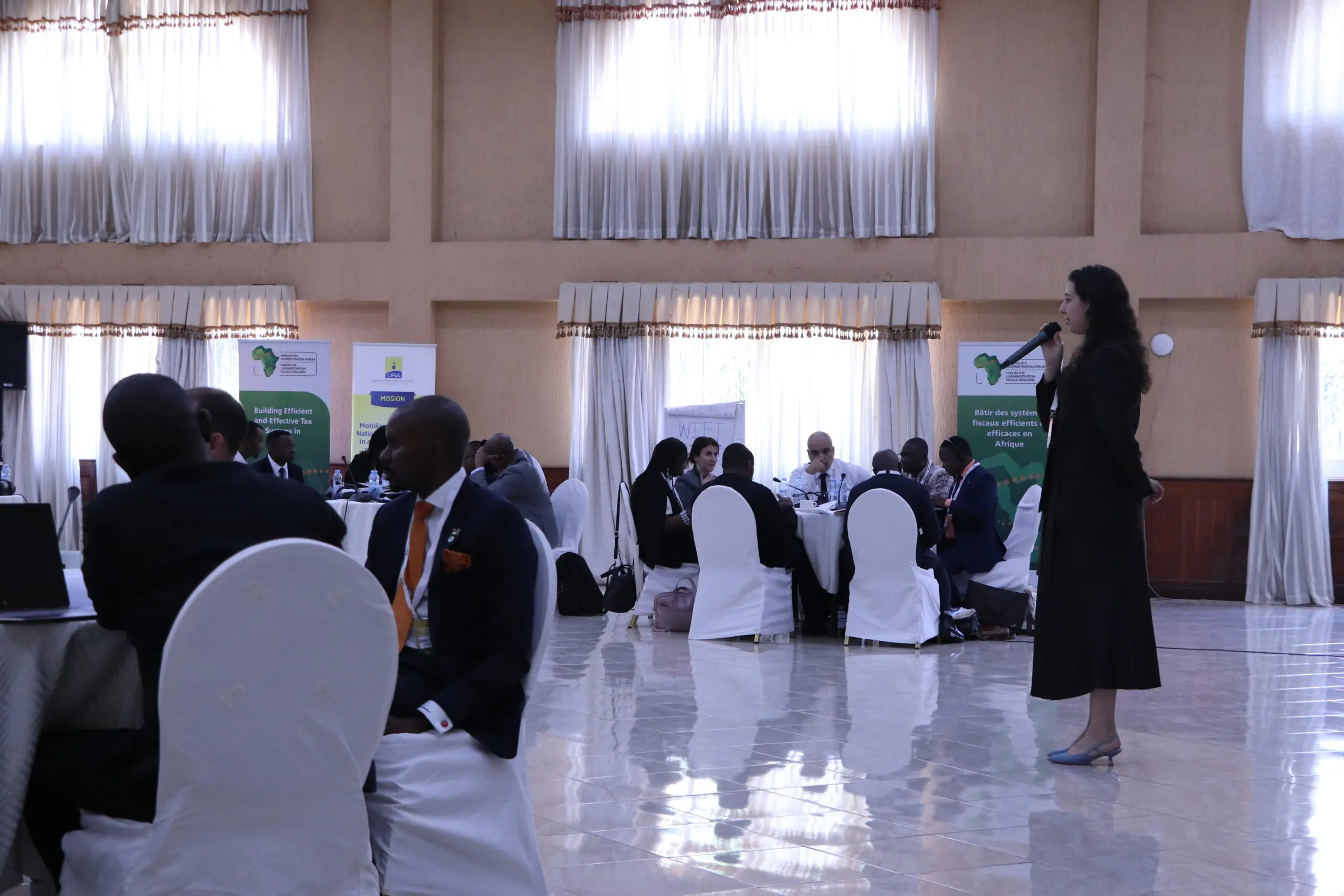
In this context, ICTD in partnership with the African Tax Administration Forum (ATAF) and the Uganda Revenue Authority (URA), hosted a regional workshop on Enhancing Tax Compliance Among High-Net-Worth Individuals last week in Entebbe, Uganda. Participants representing fourteen Revenue Authorities across Africa discussed research and exchanged ideas on how to design effective strategies to maximise compliance, overcome resistance to enforcement, and consider necessary legal reforms. The workshop built on ICTD and ATAF’s ongoing collaboration since 2024 to support African tax administrations in developing tailored approaches for this segment of taxpayers. It was fitting that the workshop was also hosted by the URA, who pioneered highly effective and successful approaches for taxing HWNIs in close collaboration with ICTD.
“The idea behind the workshop was to translate the growing interest in taxing high-net-worth individuals into practical strategies that work in African contexts,” said Giovanni Occhiali, who leads ICTD’s work on taxing HNWIs. “By bringing together senior officials and technical experts from 14 different countries across Africa, some with and some without a dedicated strategy to improve compliance amongst HWNIs, we wanted to pin down what is already working and what barriers remain. We are positive that our facilitation of this peer exchange will help chart a path for sustained progress on taxing HWNIs not just in one country but across the continent”.
A recent ICTD policy briefing highlighted how solutions for taxing the wealthy are already at hand: many tax codes already include provisions targeting wealth-related income – such as taxes on property, rental income, capital gains, inheritance, and professional self-employment. Indeed, the real obstacles to securing revenue and compliance from the wealthy lie elsewhere: insufficient data, weak compliance strategies, and political interference in enforcement.
Building momentum across Africa for fairer taxation
Opening the workshop, Ngaruye Innocent, Assistant Commissioner for the Large Taxpayers Office at URA, speaking on behalf of the Commissioner General, highlighted the need for continued collaboration among African tax administrations to broaden the tax base and enhance sustainable domestic revenue mobilisation.
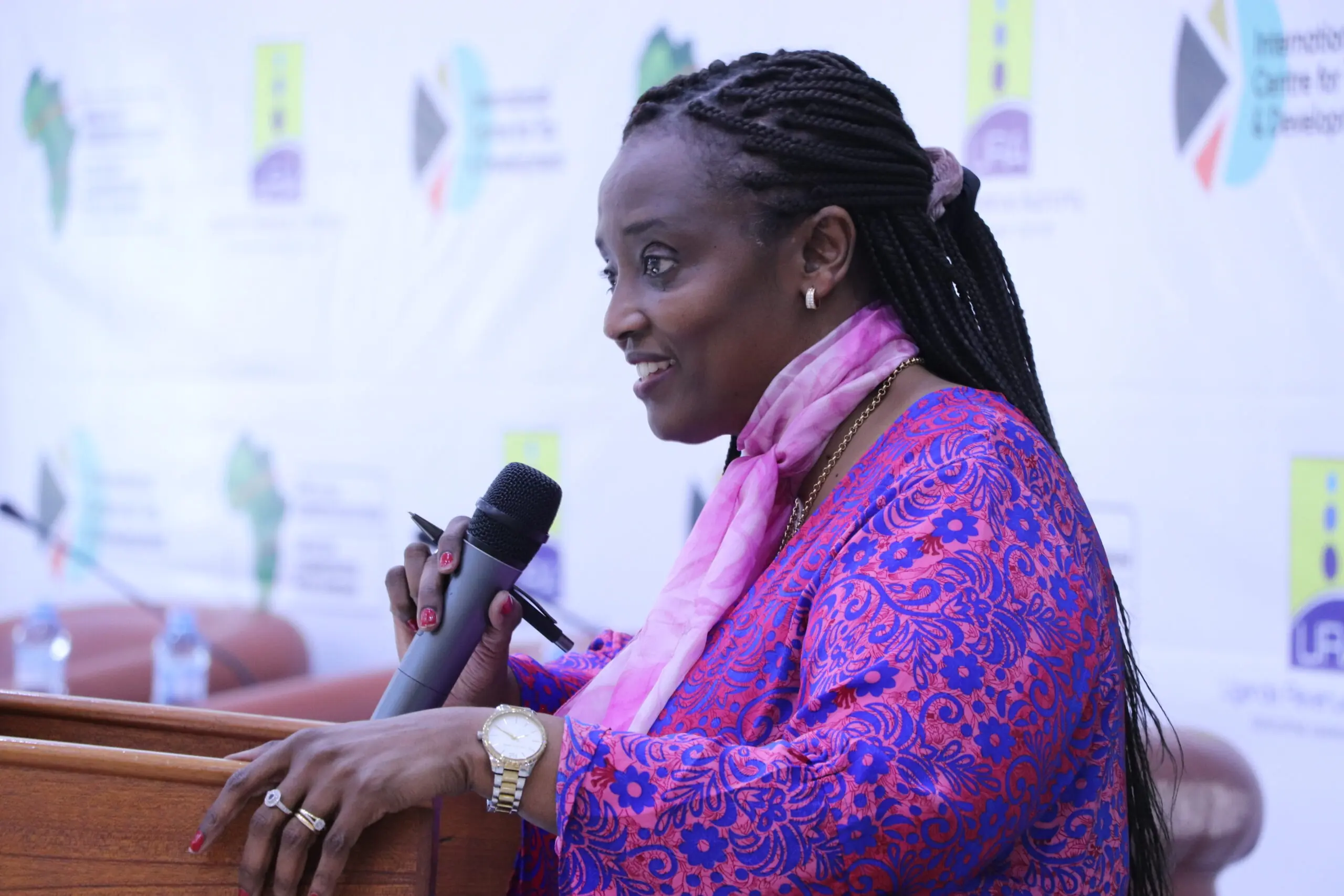
For her part, Mary Baine, Executive Secretary of ATAF, stressed the urgency of strengthening compliance among Africa’s wealthiest citizens:
“According to the ATO Report, South Africa, Eswatini, and the Kingdom of Lesotho lead Africa in Personal Income Tax collection, yet most of this revenue still comes from Pay-As-You-Earn (PAYE) taxpayers,” she said. “Strengthening compliance among high-net-worth individuals is essential to expanding Africa’s tax base and promoting greater fairness in domestic revenue mobilisation,” she added.
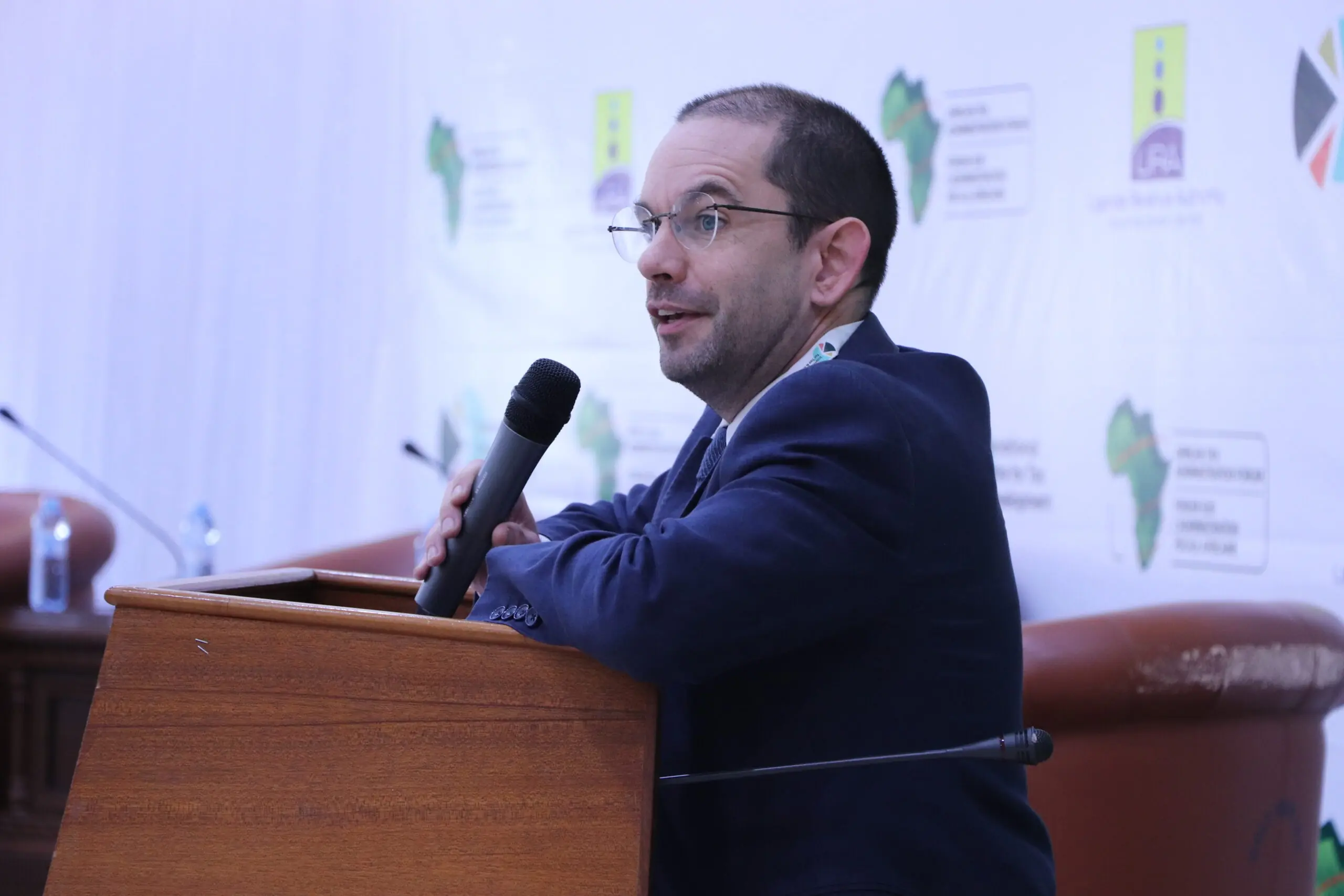
Reflecting on the broader economic context, Martin Hearson, ICTD’s Research Director warned: “This is a challenging fiscal time. The IMF reported last week that 55 countries around the world are in debt distress or are high risk of debt distress. Many countries on this continent are spending more on debt repayments than they’re spending on health and education”.
He added that HNWI taxation is central to the broader project of revenue mobilisation, not just for financial gains: “Really, we are in the tax era of development. To meet the development and fiscal challenges, countries need to move more effectively to mobilise revenue, and taxes on the wealthy are an important part of this project.”
Administrative enablers and political headwinds for taxing the wealthy
The executive panel discussion on The Strategic and Political Dynamics of Taxing HNWIs explored how African tax administrations can strengthen compliance frameworks, improve access to information, and navigate complex political landscapes to ensure fairness and efficiency in taxing the continent’s wealthiest individuals.

Henry Ngutwa, Deputy Commissioner General of the Malawi Revenue Authority (MRA), emphasised that data is the primary administrative enabler: “For revenue authorities, possessing data to know how the wealthy are moving their funds, money and profits is a good starting point”.
He noted that this also requires closer collaboration between government agencies and revenue authorities at the domestic level, as well as effective exchange of information on international money transfers. Mr Ngutwa concluded by stressing the importance of capacity building to ensure revenue officers possess the specialised knowledge to challenge wealthy individuals who “have access to the best tax advisors.”
For his part, Sam Shivute, Commissioner of the Namibia Revenue Agency (NamRA), praised Uganda as a success story, highlighting how intentional policy can yield transformative results: “One of the best-case studies that I have read on taxing high-net-worth individual is from Uganda. In 2015, the Uganda Revenue Authority established that function and moved from collecting $390,000 to $5.5 million in a year”.
Mr Shivute noted that while Namibia does not yet have a specific HNWI function, it aims to establish one within nine months. He also highlighted NamRA’s use of a whistleblowing system that allows for anonymous reporting of individuals whose lifestyles do not match their declared income.
Conversations throughout the workshop reaffirmed a shared commitment among African tax authorities to continue improving transparency, closing compliance gaps, and using research-driven insights to inform policy reform. Participants concluded that building fairer tax systems requires consistent collaboration between administrations, researchers, and policymakers to ensure that Africa’s growing wealth translates into sustainable development for all. Building on this, ICTD will continue collaborating with ATAF, URA and other participating administrations to translate lessons from the workshop into concrete research, technical support, and policy design for the effective taxation of high-net-worth individuals.
Find out more – ICTD key reading on taxing HWNIs
- Policy Brief 14: Taxing the Wealthy in Lower-Income Countries: Why It’s Important, and How to Do It
- Journal Article – Taxing high-net-worth individuals in Nigeria: Challenges and opportunities for policy-makers from a preliminary investigation
- Journal Article – How to improve tax compliance by wealthy individuals? Evidence from Uganda
- Working Paper 156 – How Might the National Revenue Authority of Sierra Leone Enhance Revenue Collection by Taxing High Net Worth Individuals?
- Working Paper 109 – Tax Compliance of Wealthy Individuals in Rwanda
- Working Paper 72 – What Can We Learn from the Uganda Revenue Authority’s Approach to Taxing High Net Worth Individuals?
- The Conversation Africa – Wealthy Africans often don’t pay tax: the answer lies in smarter collection