Fiscal sustainability through partnerships and evidence: insights from the Global Partnerships Conference
27th May 2026
Share
HomeNewsFiscal sustainability through partnerships and evi…
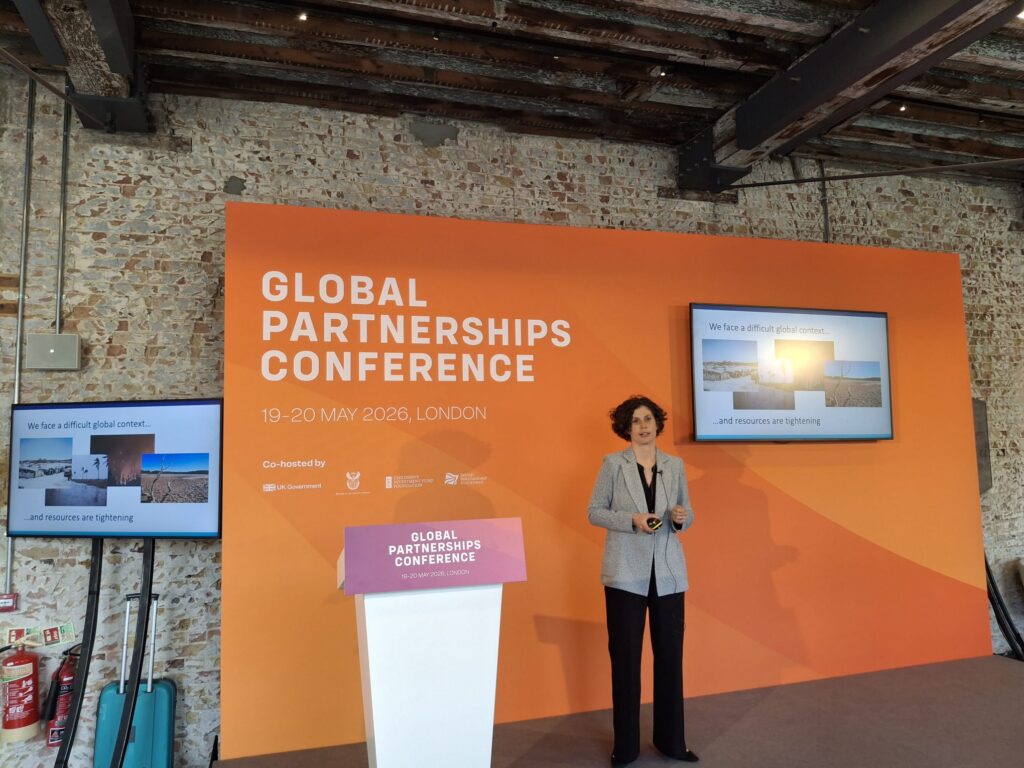
With official development assistance (ODA) suffering its largest contraction on record — a 23% drop in 2025 alongside a 40% reduction in the UK’s own aid budget — the international community is facing a systemic shift in how development is financed. At last week’s Global Partnerships Conference (GPC), experts and representatives from government and civil society argued that the future of development increasingly depends on “getting tax right“, at a high-profile side event organised by the International Centre for Tax and Development (ICTD) and TaxDev.
The event, “A Roadmap for Fiscal Sustainability: Taxing Smarter for Growth and Equity“, moved beyond high-level rhetoric. It provided practical, evidence-based lessons on how lower-income countries can transition towards more self-determined development models through domestic revenue mobilisation (DRM). The discussion also echoed commitments made in the conference Compact, which pledged to “back reforms that strengthen tax systems […] and that tackle illicit financial flows”, underscoring growing recognition that DRM will be central to the future of development finance.
However, speakers warned that raising more revenue is not merely a technical challenge. It is also a deeply political one that depends on trust, long-term partnerships and robust evidence.
A new paradigm grounded in partnership
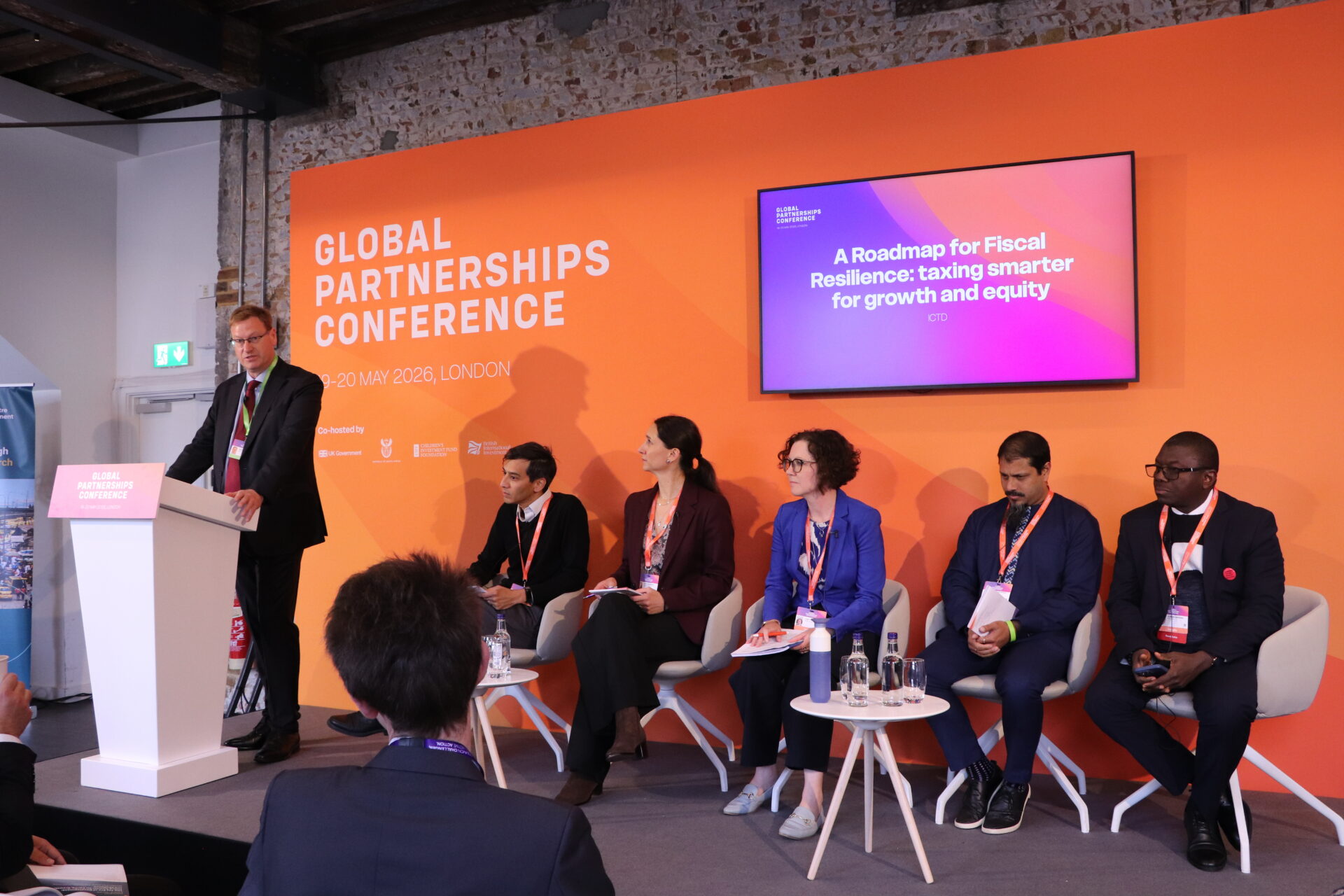
Opening the session, Scott Caldwell, Head of the Public Finance and Tax Department at FCDO, reflected on the UK government’s longstanding commitment to partnerships, evidence, and long-term investment in tax research.
Scott Caldwell, FCDO, delivering the opening remarks
“We have supported ICTD since its inception in 2010. Over this time, we have seen them grow strongly to deliver groundbreaking, collaborative research and engagement in lower-income countries, and to build a unique network of revenue administrations and other key stakeholders in civil society and academia”, he said.
Throughout the session, moderator Vishal Gujadhur from the Gates Foundation returned to a central question: how can countries build tax systems that are not only more effective, but also more equitable and politically sustainable?
Evidence is a tool for nurturing public trust
Giulia Mascagni, Executive Director of ICTD, emphasised the central role of taxation in enabling country-led development and broader systems change.
“We’ve been talking at ICTD about the tax era of development because tax is already the main source of government financing, especially when compared with shrinking aid,” she said.
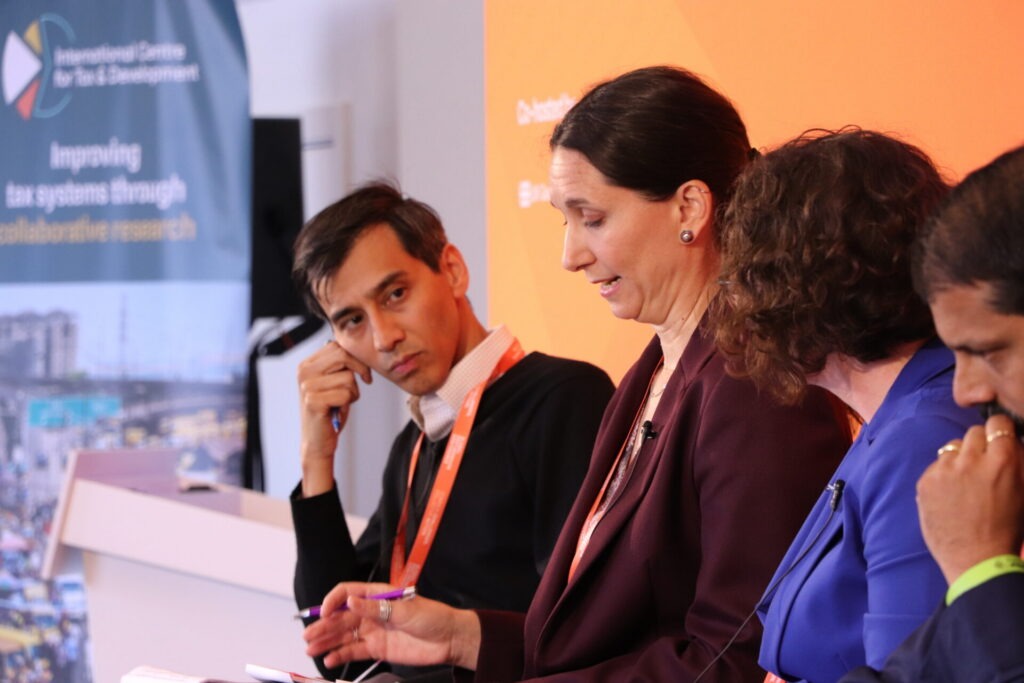
Vishal Gujadhur, the Gates Foundation, and Giulia Mascagni, ICTD.
Yet the gap in fiscal capacity between high-income and low-income countries remains stark. For every hundred dollars in tax revenue that a high-income country can spend per citizen, a low-income country can spend only one.
Mascagni argued that while scaling up capacity is vital, the way governments raise revenue determines its success.
“We are in a really good position in the sense that we know what works and what doesn’t. We have a lot of evidence on that. But it’s important to confront the fact that this is going to take time, and it remains a shared responsibility,” she noted.
Working in partnerships to drive reform
Illustrating the importance of long-term, demand-driven collaboration, Yani Tyskerud, Programme Director for TaxDev – implemented by the Institute for Fiscal Studies (IFS) and ODI Global, shared how partnerships have contributed to concrete policy reforms, such as improving the progressivity of Rwanda’s income tax system.
“Working closely with analysts from the Ministry of Finance and Economic Planning and the Rwanda Revenue Authority, we modelled a range of different options to support detailed discussion about both the revenue and the equity impacts of potential reforms,” she explained.
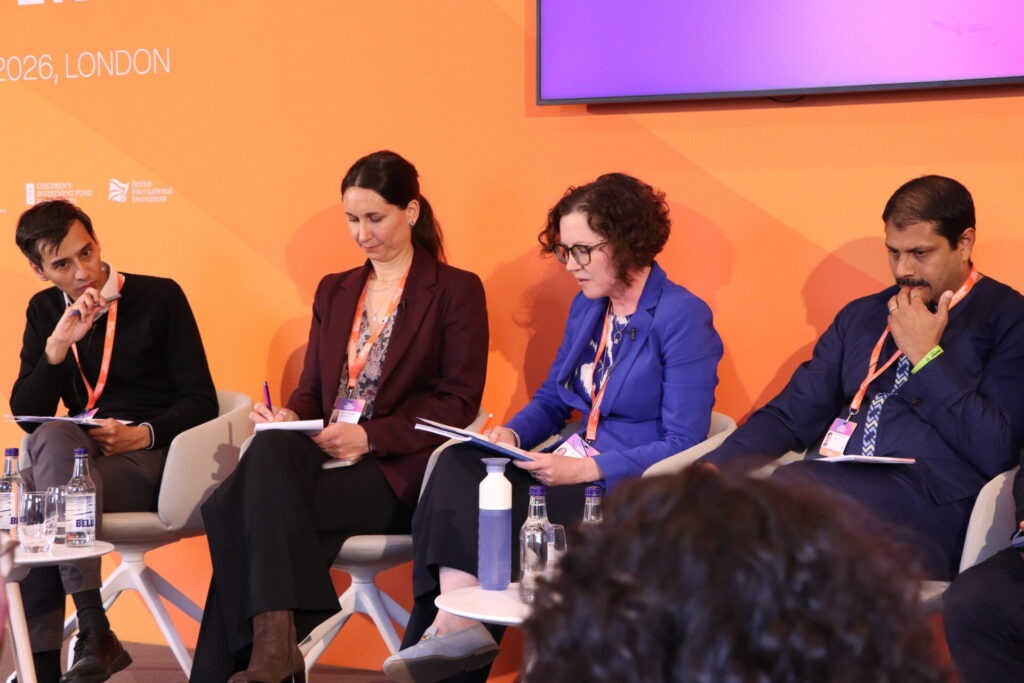
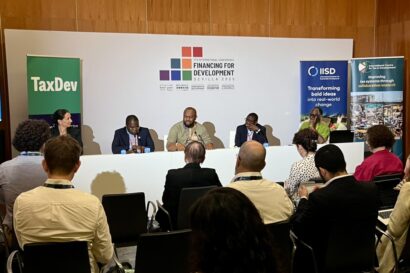
The panel of speakers including Yani Tyskerud, TaxDev.
At a time when rapidly implemented tax policies can risk undermining public trust, examples from both ICTD and TaxDev demonstrate how governments are increasingly relying on research and evidence to navigate complex policy challenges.
“Most importantly, there is real demand for high-quality evidence in the tax policymaking process. The governments we work with are already taking a really careful, long-term approach to improving their tax systems,” said Tyskerud.
Voices from the frontlines of reform: Sierra Leone and Kenya
In Sierra Leone, where the tax-to-GDP ratio stood at just 6.8% in 2023 — 9.4 percentage points below the average across 38 African countries — the government has set ambitious targets to significantly increase tax collection.
“We worked with ICTD to develop data-matching tools to identify high-capacity taxpayers — wealthy professionals such as lawyers, doctors and engineers — who were previously out of the tax net”, said Alimamy Bangura, Chief Economist at Sierra Leone’s Ministry of Finance.
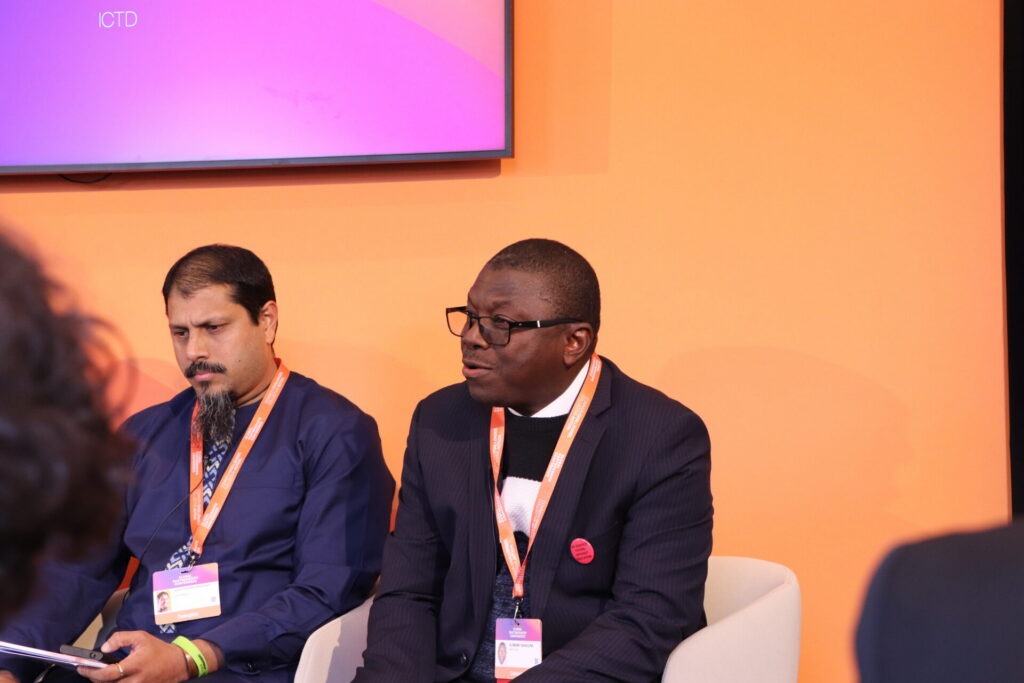
Alimamy Bangura, Sierra Leone Ministry of Finance.
He also pointed to tobacco taxation as an example of how evidence can help governments respond to politically sensitive concerns.
“When the government wanted to increase taxes on tobacco, there were concerns that, because our borders are so porous, it would lead to an increase in smuggling. However, research from ICTD indicated that increasing the tax did not lead to more smuggling. In fact, it increased revenue even while consumption declined,” he added.
The question isn’t only how much revenue is raised, but how it is spent
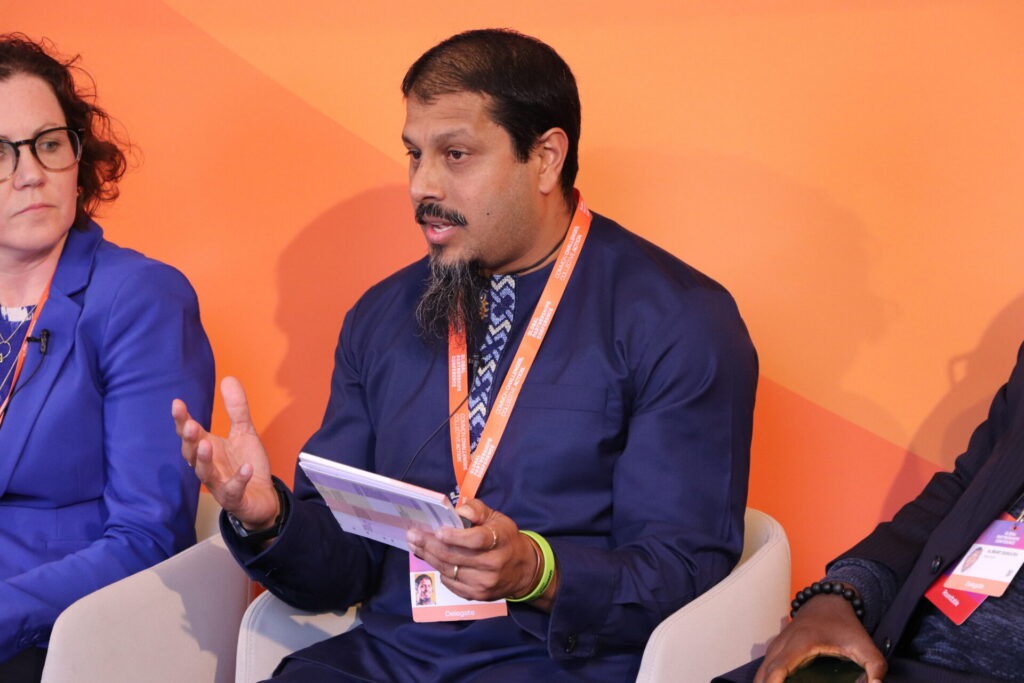
For his part, Jason Rosario Braganza, Kenyan economist and incubator of the Fikra Initiative, warned that debates on tax reform cannot be separated from the broader question of public spending and debt. In some African countries, debt servicing costs consume as much as 80% of tax revenues. This raises difficult questions about whether increased taxation is translating into meaningful developmental outcomes.
Jason Rosario Braganza, Kenyan economist and incubator of the Fikra Initiative.
“Are we understanding what that tax is being used for? Is it developmental in nature? Is it actually contributing to the productive capacity that taxation and tax revenue collection should support?” he challenged.
The hidden billions: rethinking tax expenditures
Another important theme of the discussion is the role of tax expenditures — including exemptions, deductions, and preferential tax rates — in weakening government revenues.
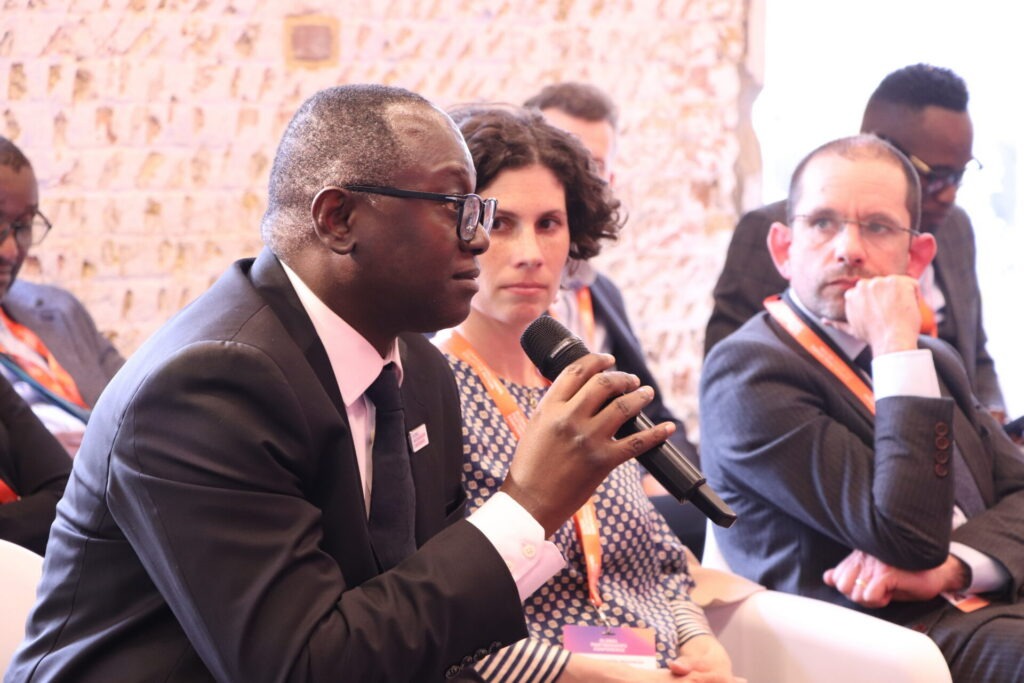
Speaking from the audience, Sheku Ahmed Fantamadi Bangura, Sierra Leone’s Minister of Finance, highlighted the scale of revenue leakages in the country’s extractive sector. He emphasises that without better data on the export volumes and values, and a shift away from granting tax waivers, governments cannot capture the full value of their natural resources or effectively collect associated taxes like PAYE and VAT. Other interventions from the audience included Ben Crumpton, senior researcher at the Mo Ibrahim Foundation.
Sheku Ahmed Fantamadi Bangura, Sierra Leone’s Minister of Finance.
“The narrative that there is simply no money for development is often misleading. The resources exist; they are just allocated differently. Tax expenditure reform is one of the most practical ways to create fiscal space for climate action and sustainable development. Governments should be asking not where to find new money, but how to make better use of what is already there,” she stressed.
Stay up to date
For all your latest updates on tax and development from ICTD, remember to sign up to our newsletter. You can also find us on LinkedIn, Facebook and Bluesky.