ICTD and Zambia Revenue Authority host Future of Tax Reform forum in Lusaka
23rd July 2026
Share
HomeNewsICTD and Zambia Revenue Authority host Future of T…
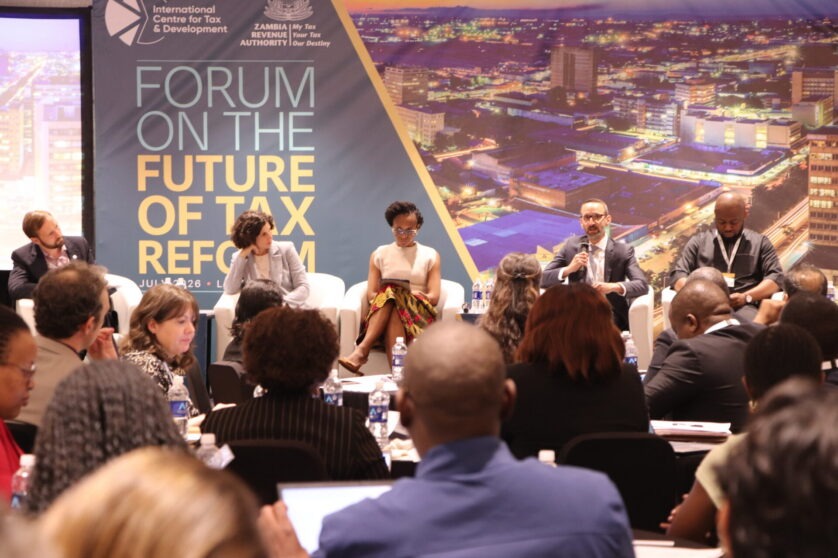
Over 100 researchers, government officials, and civil society representatives from across Africa and beyond gathered in Lusaka on July 14 -15 for the Forum on the Future of Tax Reform. Co-hosted by the International Centre for Tax and Development (ICTD) and the Zambia Revenue Authority (ZRA), the two-day event focused on identifying effective and equitable strategies for tax reform.
The timing itself is significant as African countries grapple with a financing gap exacerbated by drastic cuts to international aid and debt servicing costs.
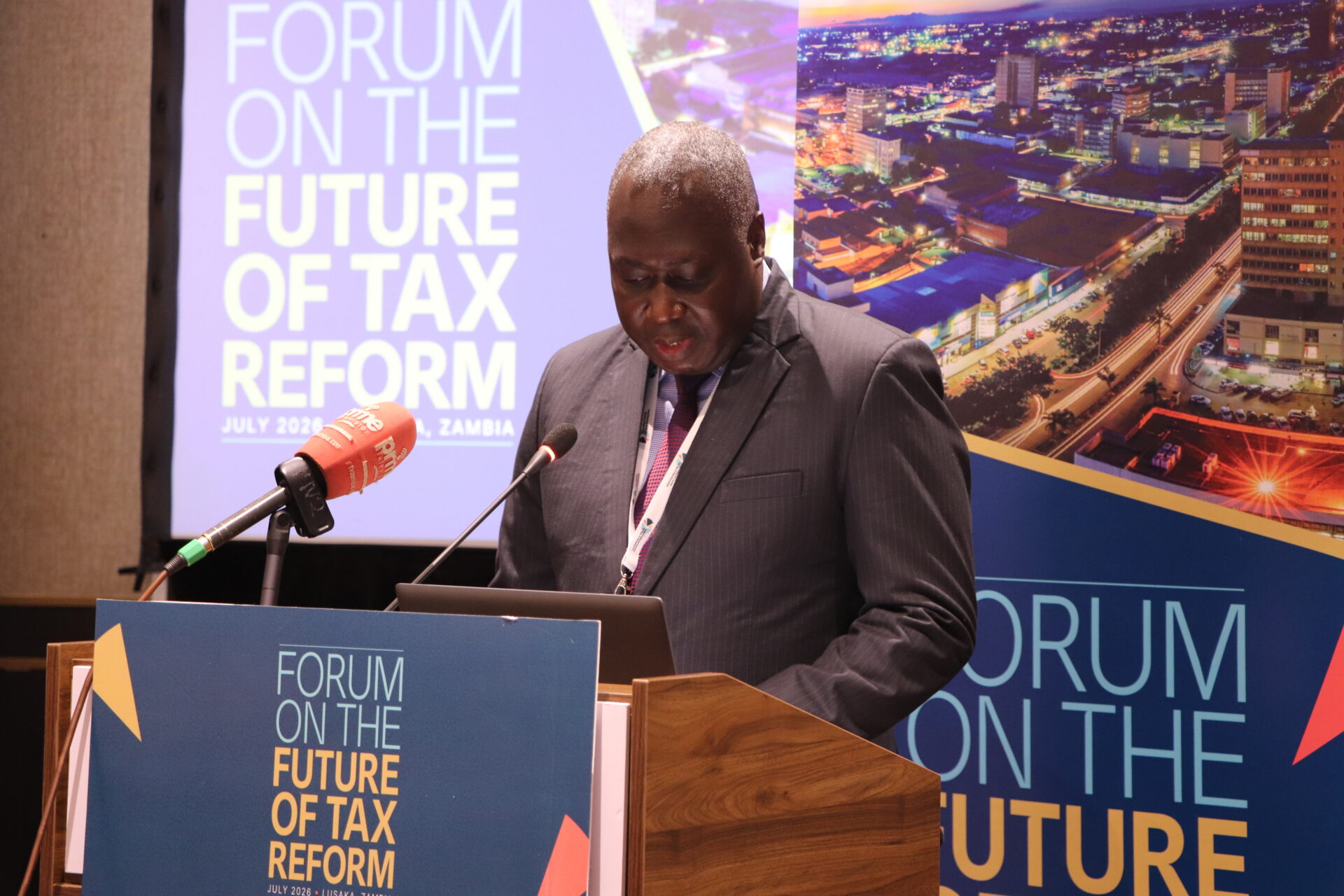
Indeed, in his opening remarks, Richard Kapasa, speaking on behalf of Commissioner General, Dingani Banda, emphasised the pressing need for an evidence-based approach, stating:
“As revenue authorities, we are tasked with mobilising more domestic revenue and strengthening tax compliance. But we also have a responsibility to improve taxpayer services, harness new technologies and maintain public confidence. We know that data and research have a vital role in informing our decisions on the evidence of what works best for both the government and taxpayers.”
Richard Kapasa providing the opening remarks on behalf of ZRA Commissioner General Dingani Banga
Creating a space for exchange and collaboration around tax reform
For her part, ICTD Executive Director, Giulia Mascagni, highlighted the collaborative aspect of the Forum, saying:
“By bringing together policymakers, researchers, practitioners, civil society actors, and development partners, we hope the Forum will create space for open and candid exchange, strengthen connections and learning across the tax community, and help shape future research, collaboration, and the next generation of tax reforms.”
ICTD Executive Director, Giulia Mascagni, giving the opening remarks at the Forum on Tax Reform
To address the various dimensions of future tax reform, the Forum was organised around four critical working groups. Together, these groups examined what “taxing smarter” requires in practice: the institutions driving reform, the political pressures shaping possibilities, the data systems enabling better administration, and the policy choices determining the distribution of the tax burden.
We interviewed participants from each working group, asking them for one key message from respective discussions. Hear what they had to say:
Across the two days, these participatory sessions were complemented by three plenary conversations designed to connect insights across themes, clarify shared priorities, and develop practical pathways for future collaboration. One outcome of the Forum was a clearer and more practical direction for the next phase of the Coalition on Tax Expenditure Reform’s work, launched last year at the International Financing for Development Conference by ICTD and four other organisations. The discussion helped refine the Coalition’s minimum reporting standards as well as the structure and target audience of its upcoming online course. It also reinforcing the need to connect technical work on tax expenditures with governance, oversight and political engagement.
New MOU seals ICTD and ZRA partnership
Mascagni also announced further collaboration between ICTD and ZRA: “It is no accident that we are here in Zambia, talking about the value of research and evidence for tax policy and practice. ICTD is collaborating with ZRA on research projects that are practical and aim to address pressing policy and administrative questions and has just finalised a new MOU which we will sign here in Lusaka. I am delighted to support the ZRA with this new partnership as it grows its capacity to produce robust research and use it to inform decisions,” she said.
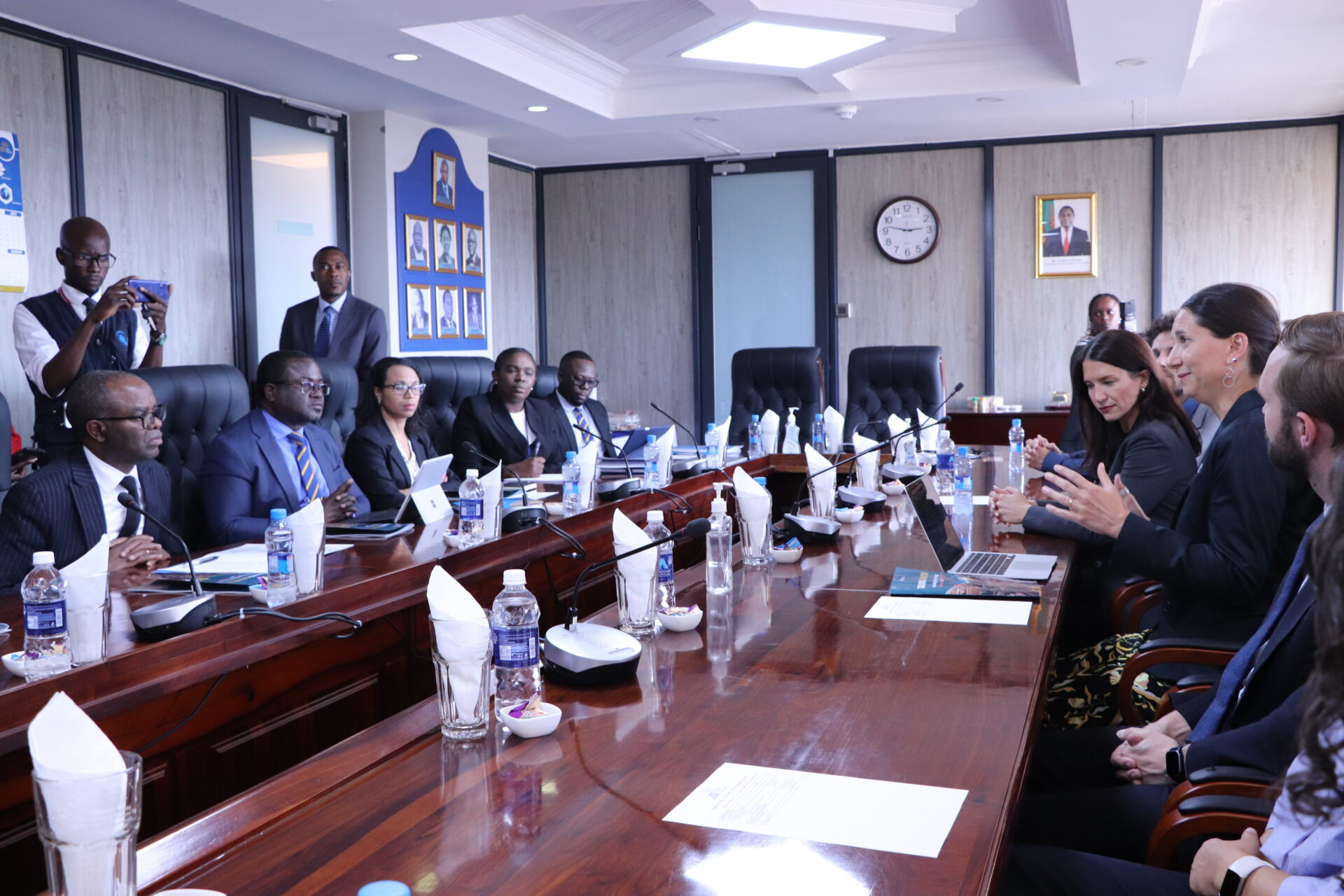
After the Forum concluded, ICTD and ZRA officially signed the memorandum of understanding (MOU) at the ZRA offices, formalising a long-term research partnership.
ICTD and ZRA delegations at the ZRA offices in Lusaka to sign the partnership MOU
In addition to strengthening research capacity through training and producing empirical data evidence to inform decision-making, the MOU builds on a recent engagement between the two organisations on the adoption of artificial intelligence (AI) in tax administration. From the ICTD side, this work falls under a broader thematic area on Digital Public Infrastructure (DPI) and Taxation and will be led by Research Fellow Awa Diouf.
“Collaborating with ZRA’s new AI unit has been a fantastic opportunity to see how DPI can practically improve tax administration. One clear takeaway is that AI isn’t a standalone technology. It depends on the systems, institutions and governance around it. Our goal is to ensure that any new reforms are transparent, efficient, and tailored to the specific needs of the Zambian context,” she said.
How can Zambia make better use of the data already collected: building an evidence ecosystem for tax reform
Earlier, ICTD supported ZRA ton the organisation of a half-day session on the role of evidence, administrative data and research partnerships in strengthening tax policy and administration in Zambia.
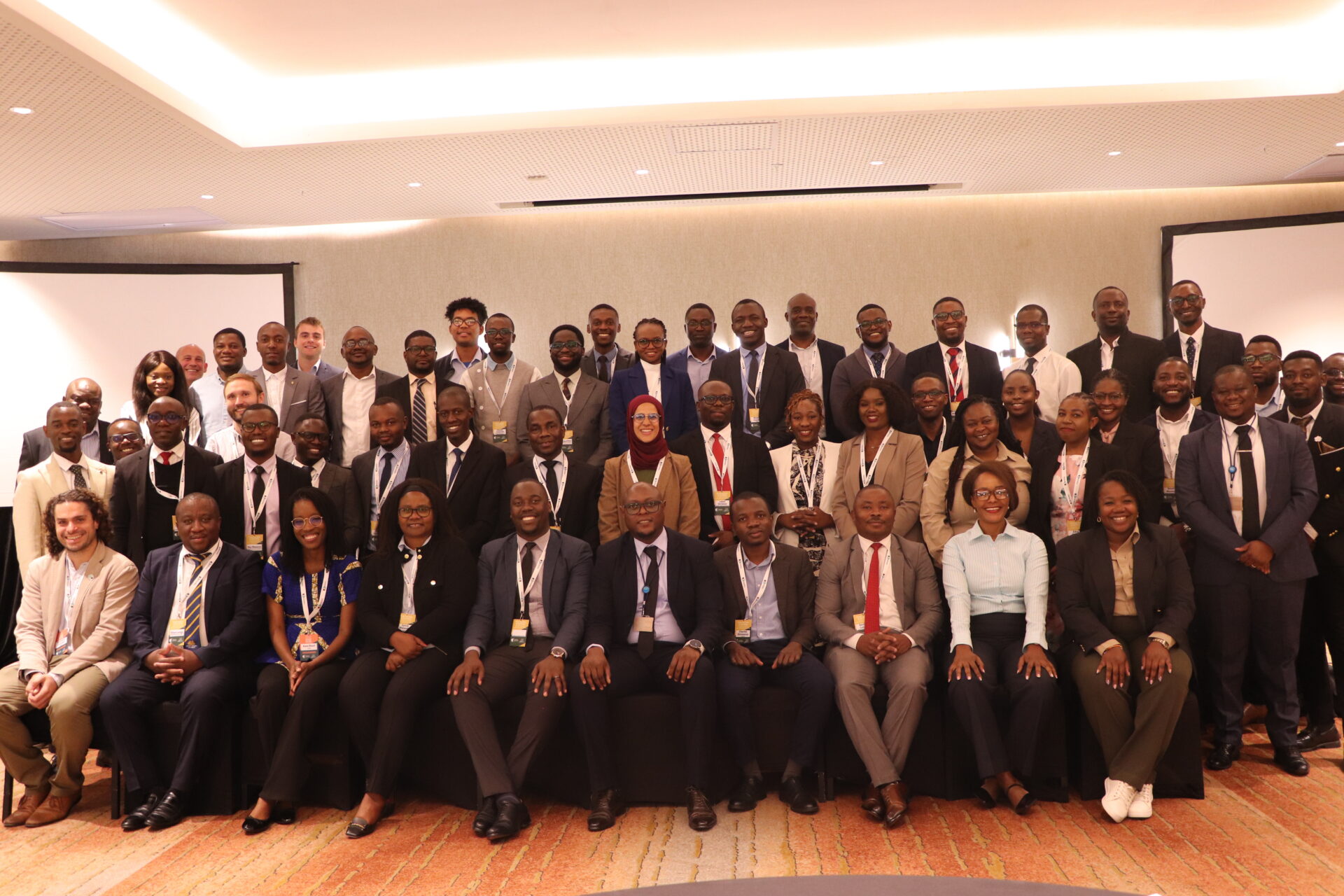
The event built on the recent launch of the ZRA Secure Data Lab and gathered a diverse group of stakeholders, including representatives from local research think tanks, civil society organisations, universities, postgraduate student representatives, government representatives and private sector actors. This wide participation reflected the purpose of the session: to integrate the Data Lab in the broader national evidence ecosystem and reflect on lessons from other African revenue authorities.
ICTD Senior Research Fellow, Giovanni Occhiali, who supported the organisation of the event, remarked:
“This day was a vital step in ensuring that the wealth of data held by the Authority isn’t just an academic resource, but a practical tool for development. By integrating the Secure Data Lab into the national research ecosystem, we are assisting Zambian researchers and students in helping address local policy challenges through rigorous, data-driven analysis.”