In a context marked by deepening fiscal constraint, wealth taxes offer a potential solution for Pakistan as they have done in many other. …
Wealthy Africans face lower effective tax rates than average citizens, replicating a trend already demonstrated for the relative tax burden of small and large companies. This situation is disheartening. But there are immediate steps that African revenue authorities can take to address this unfairness….
Imagine living in a country where non-state actors provide most basic services instead of the state,…
At a recent UN side event, experts outlined how the new financing for development proposals on can be strengthened for better outcomes in four priority areas….
The reduced tax rate on electronic transactions is unlikely to satisfy Ghanaians given the country’s rising inflation…
Africa’s governments need tax revenue to fund everything from education and social welfare to paying international debts. No wonder governments are eyeing digital financial services (DFS) – a rapidly growing, highly profitable industry – for additional revenue….
In Ghana, the “e-levy” has been linked to the current administration’s “Ghana Beyond Aid” strategy for reducing aid dependence….

Introduced in May 2022, Ghana’s e-levy is a 1.5 per cent tax on the transfer amount of electronic transactions. The objective is to improve tax revenues by tapping into fast-growing digital financial services (DFS). However, many exemptions are applied to the tax design….
The Electronic Transaction Levy (E-levy), a 1.5% tax on all electronic transactions, went into effect on the 1st of May amongst considerable uncertainty and controversy….
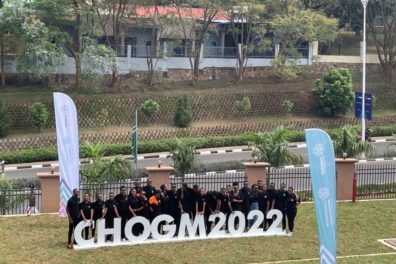
Tax might not be the first thing that comes to mind but it is central to delivering much of the transformative change on the agenda in Kigali, from increasing women’s economic participation to youth entrepreneurship….
In this blog, the ICTD speaks with Jane Nalunga, Executive Director of SEATINI Uganda to learn…
The ninth session of the Conference of the Parties to the World Health Organization Framework Convention…
This website uses cookies so that we can provide you with the best user experience possible. Cookie information is stored in your browser and performs functions such as recognising you when you return to our website and helping our team to understand which sections of the website you find most interesting and useful.
Strictly Necessary Cookie should be enabled at all times so that we can save your preferences for cookie settings.
This website uses Google Analytics to collect anonymous information such as the number of visitors to the site, and the most popular pages.
Keeping this cookie enabled helps us to improve our website.