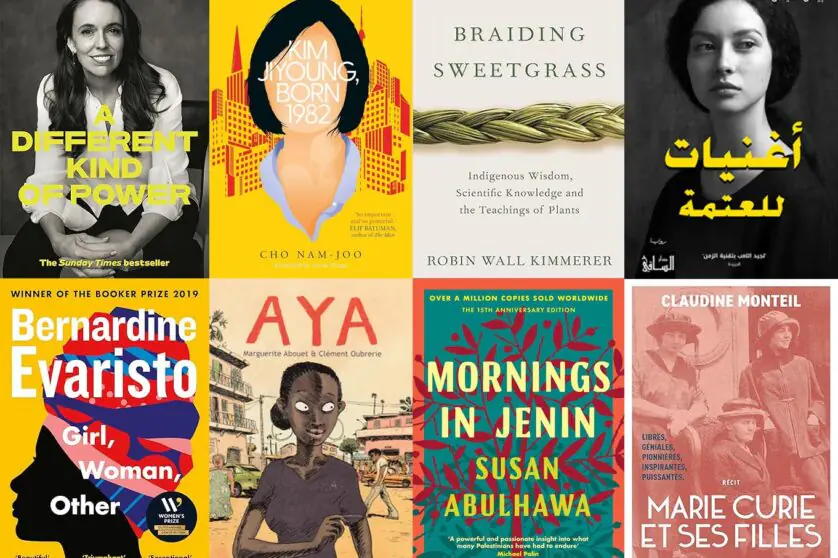
Stories can shape the way we understand the world and the lives within it. For International Women’s Day 2026, women across the ICTD team have shared a selection of reads that have stayed with them.
From novels, memoirs, and works of fiction, the recommendations reflect a wide range of perspectives and themes, all through the voices of women.
Adrienne Lees recommends:
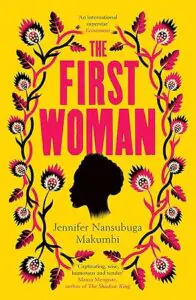
The First Woman, by Jennifer Nansubuga Makumbi
Set in the brutality of Idi Amin’s Uganda, this tale about power and gender roles follows a witty and charming central character discovering her place in the world, weaving together Ugandan folklore and modern feminism.
Amanda Huff recommends:
Braiding Sweetgrass: Indigenous Wisdom, Scientific Knowledge, and the Teachings of Plants, by Robin Wall Kimmerer
As a botanist, Robin Wall Kimmerer has been trained to ask questions of nature with the tools of science. As a member of the Citizen Potawatomi Nation, she embraces the notion that plants and animals are our oldest teachers. Drawing on her life as an indigenous scientist, a mother, and a woman, Kimmerer shows in this book how other living beings – asters and goldenrod, strawberries and squash, salamanders, algae, and sweetgrass – offer us gifts and lessons, even if we’ve forgotten how to hear their voices.
Awa Diouf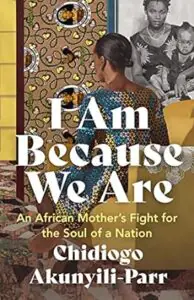 recommends:
I Am Because We Are: An African Mother’s Fight for the Soul of a Nation, by Chidiogo Akunyili-Parr
In this innovative and intimate memoir, a daughter tells the story of her mother, a pan-African hero who faced down misogyny and battled corruption in Nigeria.
Emilie Wilson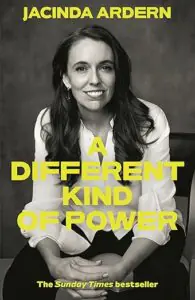 recommends:
A Different Kind of Power, by Jacinda Ardem
The deeply personal memoir from the former prime minister of New Zealand, then the world’s youngest female head of government and just the second to become a mother in office. This book is more than a political memoir. Powerfully evocative and refreshingly open, it is a profound insight into how it feels to lead, it asks: what if you, too, are capable of more than you ever imagined?
Eugénie Ribault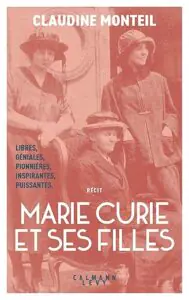 recommends:
Marie Curie et ses filles (Marie Curie and her daughters), by Claudine Monteil
A biography presenting the lives of three extraordinary women who achieved outstanding professional success, including winning two Nobel Prizes for chemistry and becoming one of France’s first female diplomats. Beyond their careers, their lifestyles contrast with the times in which they lived.
Lorena Edah recommends:
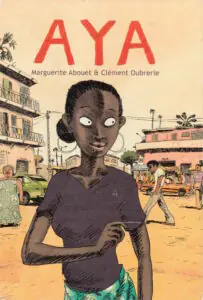
Aya de Yopougon, by Marguerite Abouet
A classic graphic novel series which follows the daily life of Aya, a studious and responsible young woman growing up in the lively neighborhood of Yopougon in Abidjan, Côte d’Ivoire, during the late 1970s. While Aya dreams of becoming a doctor and focuses on her education, her friends Adjoua and Bintou navigate relationships, family expectations, and the social pressures of youth. Through humor and vivid portrayals of community life, the story offers a nuanced depiction of young women’s aspirations, friendships, and the changing social dynamics of urban Ivorian society.
Marie Reine Mukazayire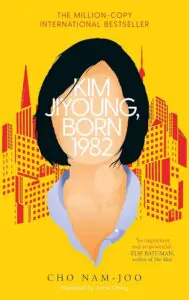 recommends:
Kim Jiyoung, Born 1982, by Cho Nam-Joo
This novel follows one woman’s mental health journey as she confronts misogyny at every stage of her life in South Korea. I recommended it to my mother, and we were both struck by how universal its themes are — across cultures, generations, and decades of “progress”, women continue to fight similar battles.
Mary Abounabhan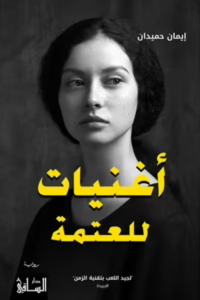 recommends:
Songs for the Darkness, by Iman Humaydan
The story of four generations of women from the Lebanese Dali family, residing in the village of Kasura in Mount Lebanon. These women’s legacies span and echo the scarred history of an abused homeland, from the eve of the first World War to the 1982 Lebanon War. In honouring their unfulfilled lives, Iman Humaydan insistently preserves intimate stories of abundant tenacity, generosity, sacrifice—and songs, provisions sorely needed for dark times.
Meeko Angela Camba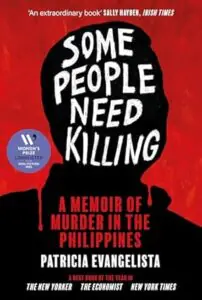 recommends:
Some People Need Killing: A Memoir of Murder in the Philippines, by Patricia Evangelista
This book documents the tens of thousands of killings that occurred in the Philippines in the name of the drug war under the presidency Rodrigo Duterte, through the eyes of trauma journalist Patricia Evangelista. While it is not an easy read (not because of the prose – it’s excellently written!), it’s an extremely important one as it does not only talk about the brutality and tragedy of these killings but provides insight as to how they happened (and continue to happen) in the oldest democracy in Southeast Asia.
 Rhea Millward-Thompson recommends:
Girl, Woman, Other, by Bernardine Evaristo
Girl, Woman, Other is a remarkable novel that follows a cast of twelve characters as they embark on personal journeys across the United Kingdom, spanning the past hundred years. Through the interconnected stories of these black British women, Evaristo explores profound and enduring questions surrounding feminism and race. Their experiences and perspectives are woven together, offering a nuanced portrait of both individual lives and wider societal issues.
Stephanie Alkoussa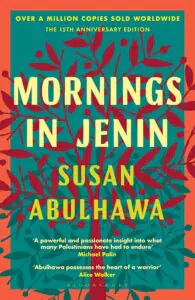 recommends:
Mornings in Jenine, by Susan Abulhawa
Celebrating its fifteenth anniversary and with more than one million copies sold across the globe, Mornings in Jenin is a profoundly moving novel that explores themes of love and loss, war and oppression, heartbreak and hope. The story unfolds over the course of several decades, traversing five countries and spanning four generations, as readers are immersed in the experiences of a single family. Through their journey, the novel bears witness to the struggles faced both before and after the Zionist colonisation of Palestine.