The Institute of Development Studies (IDS) – home of the International Centre for Tax and Development (ICTD) – has been ranked first in the world for Development Studies for the tenth consecutive year, in partnership with the University of Sussex. The landmark achievement, announced in the QS World University Rankings by Subject 2026, makes IDS and Sussex only the fifth UK institution ever to hold the top position in any single subject for a full decade.
The QS World University Rankings by Subject analysed almost 5,000 institutions across 96 locations worldwide, assessing 55 subject areas on indicators including academic reputation, employer reputation, and research impact. IDS and Sussex have now topped the Development Studies ranking in 11 of the 12 years the subject has been included.
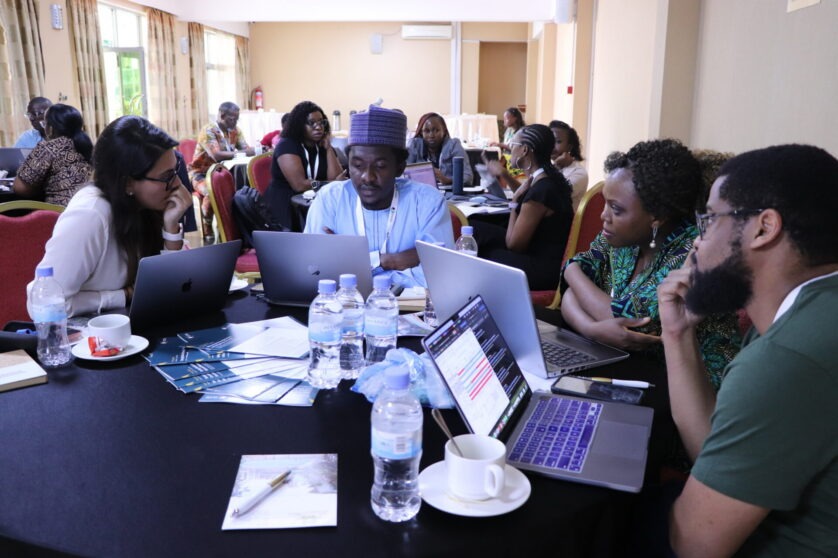
For ICTD, which was founded in and continues to be based at IDS, the milestone is a source of particular pride. ICTD researchers are embedded in IDS’s research and teaching community, contributing to its masters programmes, and delivering ICTD’s own courses and learning resource on tax and development.
Prof Giulia Mascagni, ICTD Executive Director, said:
“Ten years at the top is an extraordinary achievement, and one that reflects the calibre of the intellectual community IDS has built, and that ICTD has been honoured to be part of. The rigour, the global reach, and the commitment to research that matters: these are not just attributes of a world-leading institution, they are what makes our work on tax and development possible. Being grounded at IDS is a huge privilege for me and the whole ICTD team.”
IDS Director Anuradha Joshi credited the result to “our incredible staff and students,” describing the combination of high-impact research, collaborative learning, and students from around the world as what “keeps IDS, in partnership with the University of Sussex, at the forefront of Development Studies.”
The ranking reflects IDS and Sussex’s collective excellence in education and research that bring together staff, students, and global partners to advance understanding and address inequalities related to social, economic, and political challenges throughout the world.
ICTD’s Teaching and Learning Programme
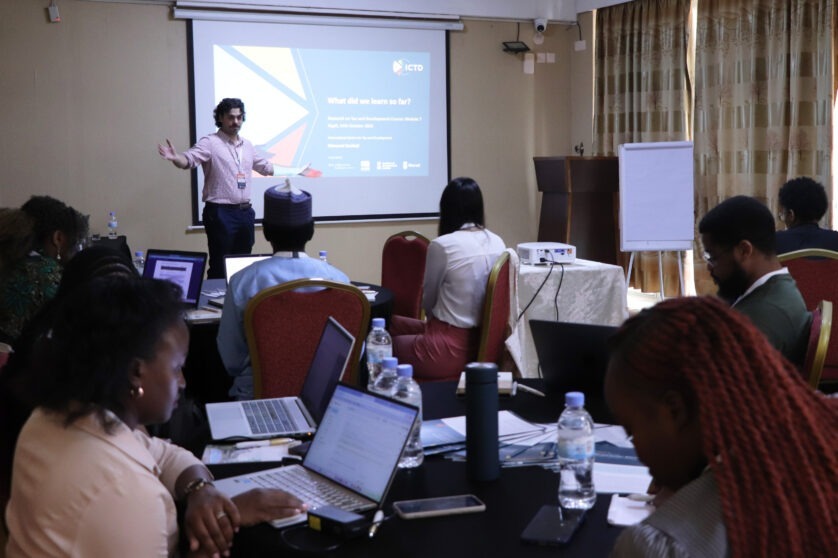
Beyond its researchers being embedded in IDS courses, ICTD also has a Teaching and Learning (T&L) programme, which includes producing free and accessible learning materials on tax and development, and running its Research on Tax and Development short course. (See what some of our course alumni have said about their experience with ICTD)
Dr Giovanni Occhiali, ICTD Research Fellow and T&L Co-lead, said:
“One of the defining features of learning at IDS is the way it brings together rigorous research with sustained engagement with policy and practice. For those of us involved in teaching, this creates a space for learning that is both analytically demanding and grounded in real-world experience. That ethos directly shapes ICTD’s own teaching and learning work on tax and development.”
Dr Max Gallien, ICTD Research Fellow and T&L Co-lead, said:
“Rankings are a reason to celebrate, but they also don’t capture everything that makes IDS genuinely distinctive: the incredible diversity of experience that students bring from across the globe, the real commitment to engaging seriously with difficult questions, and the quality of the conversations, that comes out of that. It’s that culture that makes the Institute a place where rigorous, engaged research and learning can thrive. And those are exactly the things we try to carry into our teaching and learning programme at ICTD.”
For more information about the ranking, visit: https://www.topuniversities.com/subject-rankings.