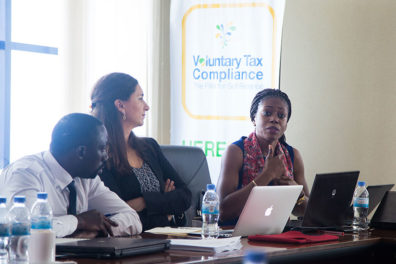
The New Times: Enhanced Communication Key to Increased Tax Compliance
On November 28th, the researchers from the ICTD, the African Tax Administration Forum, and the Rwanda Revenue Authority presented the results of their work to the Authority’s management. The research examined the impact of different methods of communication with taxpayers on their voluntary compliance. The research helped the RRA raise an additional $9 million in taxes for Rwanda.
Read the piece here: Enhanced Communication Key to Increased Tax Compliance
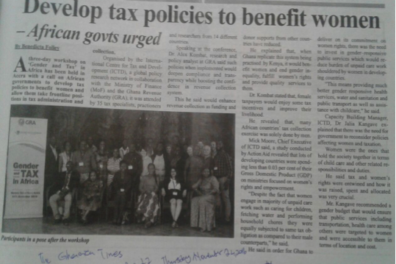
The Ghanaian Times: Develop Tax Policies to Benefit Women – African Governments Urged
The Ghanaian Times covered the ICTD’s workshop on Gender and Tax in Africa, which was held in Accra in November.
Read the full piece: Develop Tax Policies to Benefit Women – African Governments Urged
Ghana News Agency: Tax Specialists Explore Ways to use Tax System to Support Women
The Ghana News Agency covered the ICTD’s workshop on Gender and Tax in Africa, which was held in Accra in November.
Read the piece: Tax Specialists Explore Ways to use Tax System to Benefit Women
Ghana TV: Gender and Tax in Africa
GTV covered the ICTD’s workshop on Gender and Tax in Africa, which was held in Accra in November.
Watch the video here.
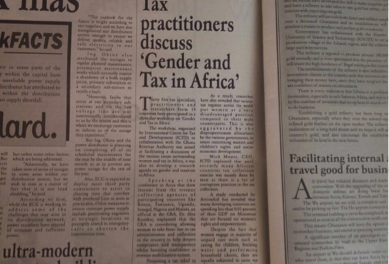
Business and Financial Times: Tax Practitioners Discuss Gender and Tax in Africa
The Business and Financial Times covered the ICTD’s workshop on Gender and Tax in Africa, which was held in Accra in November.
Read the full piece: Tax Practitioners Discuss Gender and Tax in Africa
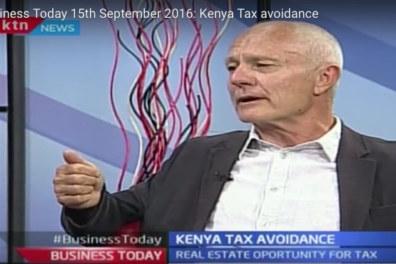
CEO Mick Moore interviewed on KTN’s Business Today
The ICTD’s CEO Mick Moore was interviwed on KTN’s Business Today show. He discussed the inequity of tax systems in Africa, the scandal of tax exemptions given by governments to large companies, the need for more effective property taxation (especially in large cities), and the necessity for regional cooperation on international tax issues.
Watch the full interview HERE.

The Independent- Uganda: Rich Who Dodge Taxes
ICTD Working Paper exposes rich professionals, government officials not paying income tax. URA now plans to tax better.
See the full piece here.
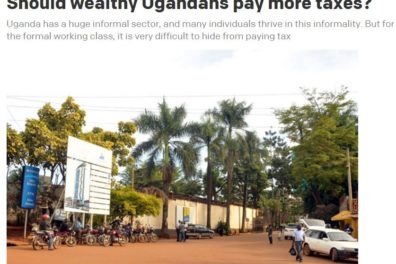
Daily Monitor: Should Wealthy Ugandans Pay More Taxes?
Some wealthy individuals in private and public sector either do not pay taxes or grossly under-declare their income. But if all these individuals remitted their income tax, the country’s revenue would be boosted.
Read the full piece here.
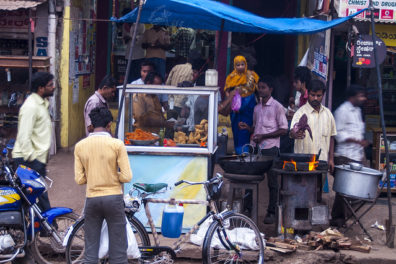
Taxing India’s Smallest Businesses – BBC Interview with Prof. Mick Moore
Roadside eatery in India. Garrett Ziegler/Flickr, CC BY-NC
ICTD CEO Prof. Mick Moore was recently interviewed by BBC World Service, about india’s plan to raise more revenues by going after the smallest businesses – especially samosa vendors.
According to Prof. Moore, “Though these small businesses can’t be ignored entirely, most governments rarely succeed when they go after the informal sector.”
“Instead of going after these very small businesses, the government should concentrate their efforts on administering tax systems that they already have in place in order to plug their loopholes. That will go a long way in ensuring people pay their taxes in the long run”. Said Prof. Moore.
The full interview which was aired on Friday 15 April 2016 can be found here.

Why African countries aren’t taxing their rich – Radio Interview
Our Research Officer Rhiannon McCluskey had a live radio interview on 19 April 2016, which airs on 702 and CapeTalk, commonly known as “The Money Show with Bruce Whitfield. This show is hosted each weeknight on two radio stations in Johannesburg and Cape Town (South Africa) by Bruce Whitfield, and focuses on business/economic news on the continent.
You can listen to the full interview here.
The interview was based on Rhiannon’s highly acclaimed and timely blog piece that was published on The Conversation website titled, “Why African countries are not taxing their rich. Why they should.”
According to Rhiannon, “The number of dollar millionaires in Africa rose at twice the pace of the rest of the world in the past 15 years. However, it is challenging for African governments to tax these wealthy people.” Read The Conversation article here.
Rhiannon’s article drew from a recent ICTD study titled, “Boosting Revenue Collection through Taxing High Net Worth Individuals: The Case of Uganda.” You can download the Working Paper here.

Improved knowledge on tax issues builds interest, increases compliance
Would you like an official value added tax receipt with that 40inch TV? No problem, that will only cost you an extra $42.
We watched a woman in downtown Nairobi in this very situation. She left with the TV, but without the receipt. Would you choose differently?
But do you know how much money the government loses each time you buy goods from vendors who don’t issue you with VAT/ETR receipts?
Do you understand that by doing this you are actually helping these businessmen evade taxes, and deny the government much
seded revenue to provide free primary education; fund hospitals; build roads etc?
RRA urged to embrace best international taxation practices
Rwanda has been urged to embrace best international practices on taxation and transfer pricing to boost cross-border trade and enhance the investment environment.
Dr. Thomas Balco, a tax expert from the International Centre for Taxation and Development (ICTD), said adopting global best practices in tax administration helps promote tax rights, as well as eliminate harmful tax competition that often affects competitiveness of companies.
“Apart from referring to rules that regulate tax liabilities, and the interaction of tax systems on cross-border trade, it is equally critical for Rwanda to strengthen its tax policies and align them with international tax systems,” Balco pointed out.
The ICTD expert and others from the Central Asia Tax Research Centre are conducting a five-day training for 100 tax inspectors, auditors and legal experts from across the country.