The International Centre for Tax and Development (ICTD) will not be running its flagship Research on Tax and Development course, due to start in autumn 2026. The difficult decision to suspend the course is due to a reduction in funding for the ICTD’s teaching and learning programme from 2027 onward, with the current cycle formally concluding in December 2026.
Whilst ICTD is seeking to secure new funds to continue this area of work, the team behind the successful course is taking the opportunity to review the experiences of the past decade and explore innovations in the course’s structure and content for future iterations.
Celebrating a decade of building research and tax capacity
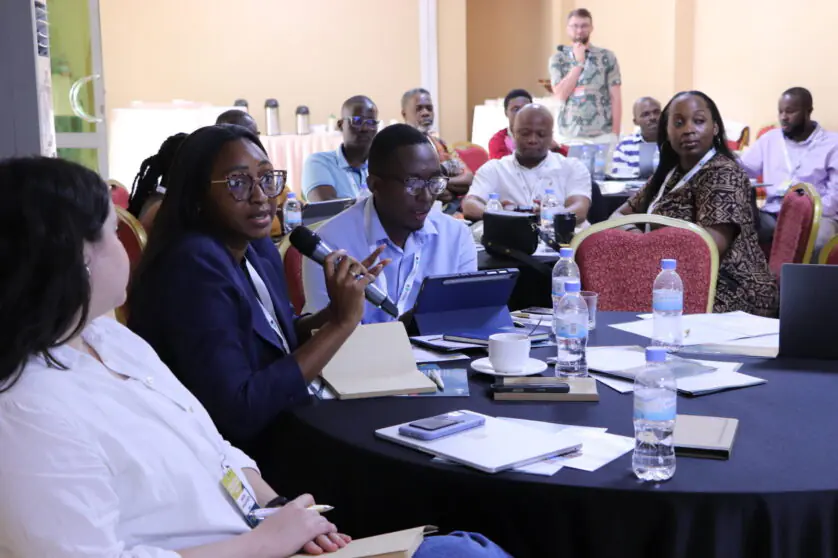
The course has served as a cornerstone for ICTD’s capacity-building efforts. It provided a programme of training and mentorship to 245 participants from revenue authorities, ministries, and civil society organisations from lower-income countries since it was first launched in 2015. What set the course apart was both the diversity of its participants and the depth of engagement it offers. Delivered over the course of a year, the programme combined seven intensive modules covering qualitative and quantitative research methods, data analysis, and the communication of evidence to policy audiences.
Max Gallien, ICTD Research Director and co-lead of the course, reflected on the programme’s legacy:
“For over a decade, this course has been at the heart of ICTD’s mission to foster locally led research that makes tax systems fairer and more effective. The fact that year after year we received over 600 applications for only a small number of slots demonstrates the immense and growing demand for research skills around tax and development.”
Alumni at the helm of reform
The impact of the course is evident from its alumni, many of whom have gone on to lead major reforms in their home countries or build lasting academic careers supported by ICTD scholarships.
In Somalia, Najibullah Nor Isak progressed from a junior officer to Director of the Customs Department at the Ministry of Finance, applying research skills to develop a Medium-Term Revenue Roadmap and establish a Research and Analytical Unit. These efforts contributed to a significant increase in domestic revenue, supporting broader goals of fiscal independence.
In Nigeria, Rafat Gambo played a central role in a major legislative reform process, serving as Secretariat Lead for a task force that contributed to the development of four landmark tax laws adopted in 2025.
“The course gave me the analytical tools and policy lens to contribute meaningfully to national reform,” he said.
For her part, Rosa Maria Rodrigues De Abreu highly regarded the course’s inclusive approach:
“That inclusiveness meant a great deal to me especially that I applied at a later stage in my life and career when universities would have rejected me because of my age. ICTD on the other hand, offered me an invaluable opportunity,” she said.
Giovanni Occhiali, ICTD Senior Research Fellow and co-lead of the course, said:
“We are of course sad to have to make the difficult decision to suspend the programme, but are also immensely proud of what our alumni have achieved. Over the years, the course has contributed to creating a community of researchers and practitioners committed to building fairer tax systems, all of whom will continue to thrive. We hope that this is just a pause rather than an end as we look for new ways to continue this essential work.”
New directions for delivering tax and development training and mentoring
Suspending the course does not mark the end of ICTD’s capacity-building efforts. These include continuing to deliver bespoke training to our partners, supporting PhD research and developing free online learning materials on new areas of tax and development work. ICTD will continue to advocate for the importance of practical and accessible training and mentoring on research and evidence in tax and development. It will also explore partnerships that will allow the resumption of similar teaching and learning programmes in the future.